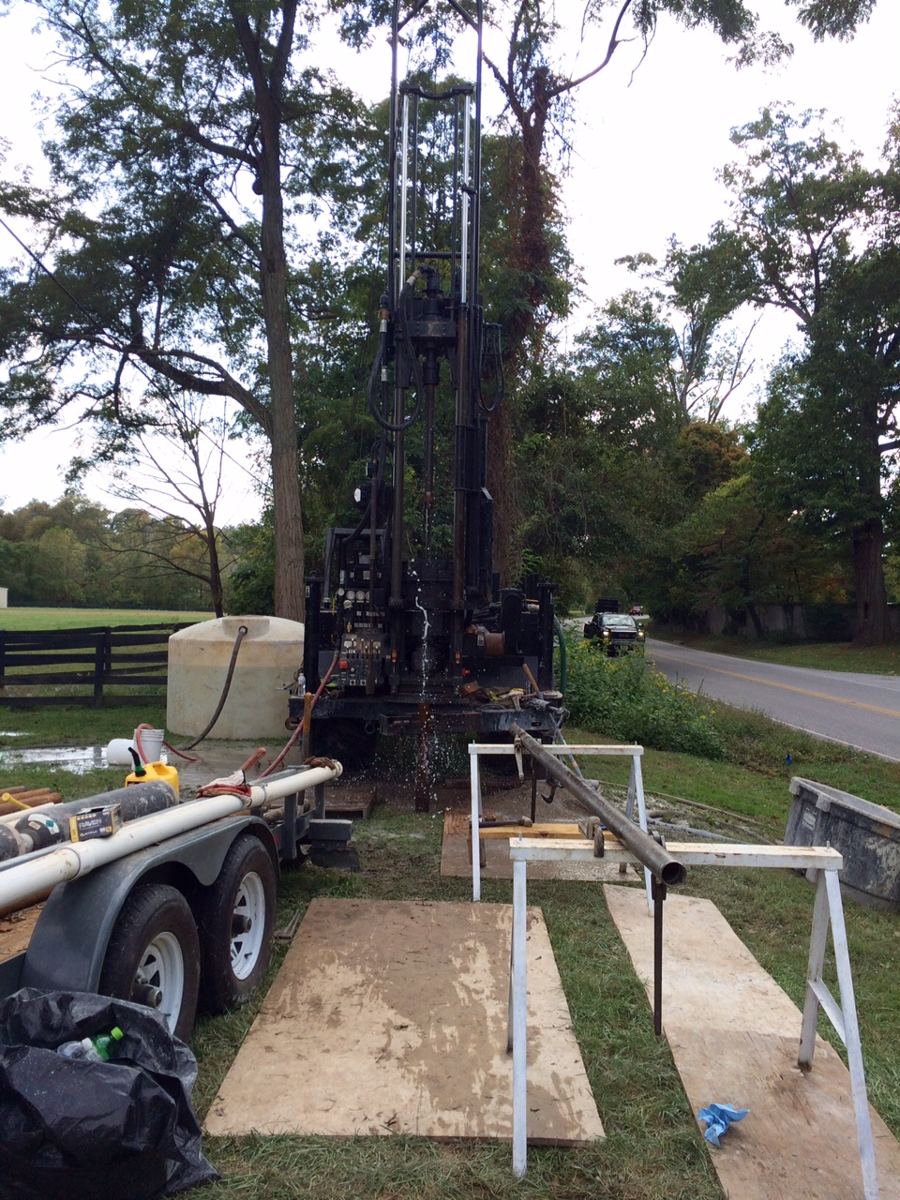
Private well and septic
For homes that get water from their own well and send it to their own septic tank. Start from the problem, or from the part of the system.
By problem
No water, or the pump won't stop
I have a lab report
I'm replacing something
The power is out
How a private well system fits together
Each part has its own failure modes, which is why the guides follow the same order, from the breaker down to the pump.
- Service panel and pump breaker Feeds the pump circuit at 115 V or 230 V.
- Control box Starting parts for 3-wire single-phase pumps; 2-wire pumps have none.
- Pressure switch Starts the pump at cut-in and stops it at cut-out.
- Pressure gauge The first thing to read when water stops.
- Pressure tank Stores water under an air charge between pump starts.
- Water treatment (if fitted) Filters or softener, chosen from a lab test.
- Pitless adapter and buried line Where water leaves the well casing underground.
- Drop pipe and check valve Carry water up and hold pressure when the pump stops.
- Submersible pump and motor Sized for flow and total dynamic head.
- Static and pumping water levels Water level at rest, and lower while the pump runs.
Guides and tools by topic
Well pumps
Pressure tank & switch
Water testing & treatment
All water calculators
- Septic pumping & tank size
How often to pump by tank size and household, and the minimum tank size by bedrooms from five published tables. - Water softener size
Grains per regeneration from hardness, iron, manganese and household use, with salt per year. - Pressure tank size
Drawdown needed for your pump and switch setting, and which published tank models meet it. - Well pump size & total dynamic head
Flow your house needs and the head the pump must deliver it at, with jet vs submersible limits. - Well pump wire size
Smallest copper wire for your motor and cable run, from Franklin Electric’s cable-length table. - Well water test results
Enter a lab report: each number against EPA limits, public-health steps first, then treatment order.